
Cocaine-Induced Psychosis: Residential Stabilization
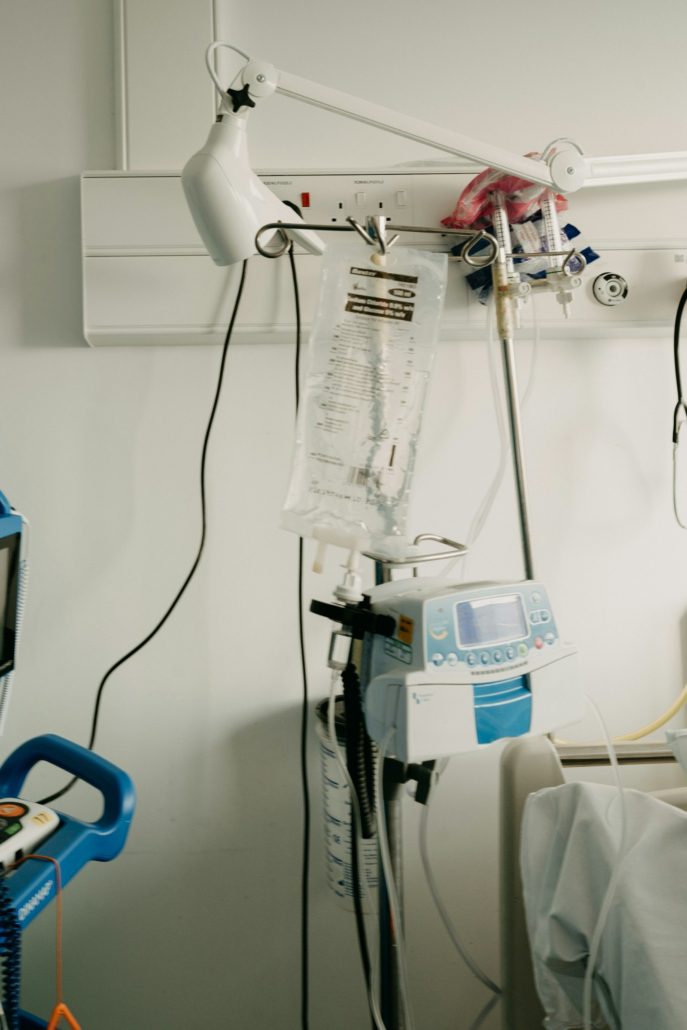
Table of Contents
When a family calls our admissions line and describes a loved one who has become paranoid, agitated, and disconnected from reality after a cocaine binge, they are almost always describing cocaine induced psychosis. This is not a personality flaw or a moral failing. It is a recognized medical presentation in the DSM-5-TR under Stimulant-Induced Psychotic Disorder, and it requires medically monitored residential stabilization rather than isolation, argument, or waiting it out at home. This guide walks through what cocaine induced psychosis looks like, how our clinical team stabilizes it inside a residential setting in Santa Cruz, and how families in the Monterey Bay and Bay Area can move a loved one from crisis into a longer arc of recovery.
What Cocaine Induced Psychosis Actually Looks Like
Cocaine induced psychosis typically emerges during heavy or repeated use, particularly binge patterns lasting more than 24 to 72 hours, and it can persist into the early crash. The National Institute on Drug Abuse describes stimulant-induced psychotic features as paranoid delusions, auditory or tactile hallucinations, and severe agitation that occurs during or shortly after intoxication (NIDA — Cocaine Research Report). Families frequently describe a person who is convinced they are being followed, who is picking at their skin because of formication (the tactile sensation of insects under the skin), or who is talking to voices no one else can hear.
Clinically, we differentiate cocaine induced psychosis from a primary psychotic disorder by timing, substance history, and course. Symptoms tied directly to a stimulant binge usually begin resolving within hours to a few days once the substance is cleared and the person is medically stabilized. Symptoms that persist beyond a week of confirmed abstinence prompt a co-occurring mental health evaluation for a primary psychotic disorder or another psychiatric condition.
Why Cocaine Induced Psychosis Needs a Residential Setting
Outpatient environments are not designed for a person in active stimulant-induced psychosis. The individual is not safe to make decisions about their own care, cannot be reliably supervised at home, and is often at elevated cardiovascular risk from stimulant load. Our residential treatment program in Santa Cruz provides 24/7 nursing coverage, on-call medical direction, and a physically contained environment where a person can be observed, hydrated, and re-oriented while the acute symptoms subside.
The American Society of Addiction Medicine’s ASAM Criteria place stimulant intoxication with psychotic features at Level 3.7 (medically monitored inpatient) or higher when agitation, cardiovascular instability, or risk of harm to self or others is present (ASAM Criteria). This is the level of care our residential admissions team is credentialed to deliver, and it is why we do not attempt to stabilize cocaine induced psychosis inside a lower-acuity setting.
What Stabilization Looks Like in the First 72 Hours
The clinical goals during the first three days are narrow and practical: reduce agitation, protect the cardiovascular system, restore sleep, correct dehydration and electrolyte imbalances, and allow the psychotic features to clear. Medications used at this stage are chosen conservatively and per physician order — typically short courses of benzodiazepines for agitation and sleep, and antipsychotics only when symptoms are severe or protracted. Vital signs are checked frequently, and the person is kept in a low-stimulation environment.
Family members often ask whether they can visit during this window. Our admissions coordinators will walk you through the specific visitation timing — for most people the first 48 to 72 hours are dedicated to medical stabilization and rest, and structured family contact begins after that. You can request a free confidential intake conversation on our consultation page.
Moving From Acute Stabilization Into Real Treatment
Once the psychotic features have resolved and the person is oriented, engaged, and medically cleared, the arc shifts from crisis stabilization to addiction treatment. This is where the cocaine use disorder itself is addressed with evidence-based modalities — cognitive behavioral therapy for stimulant use, contingency management (the intervention with the strongest evidence base for cocaine and other stimulant use disorders per SAMHSA), motivational interviewing, and structured relapse-prevention planning.
For many of our residents, a cocaine binge that produced psychosis is not an isolated event. There is a substance use disorder underneath it, and often a co-occurring mental health condition — anxiety, depression, unresolved trauma, or an underlying psychotic spectrum condition that stimulants unmasked. Integrated dual-diagnosis care, delivered alongside residential SUD treatment, is what separates a genuine recovery arc from a hospital-discharge-and-hope pattern (SAMHSA National Helpline).
What Families in Santa Cruz, Aptos, and the Bay Area Can Do Today
If someone you love is currently in cocaine induced psychosis — agitated, paranoid, hallucinating, or picking at their skin after a stimulant binge — the safest path is a medical setting today, not tomorrow. If the person is a danger to themselves or others, call 911 or take them to an emergency department. If they are stable enough to be transported and are willing to accept care, our residential admissions team in the Monterey Bay can begin the intake process by phone the same day.
Practical next steps families take from our conversation:
- Verify insurance benefits through our insurance verification page — most PPO plans cover residential SUD care.
- Review co-occurring mental health treatment on our mental health treatment page, because stimulant psychosis often surfaces an underlying condition that needs its own care plan.
- Read our topic guide on how stimulants and other substances affect the body at Drug Effects to prepare for what the first week may look like.
- Call the number in the header of this page for a same-day consultation with our admissions team — the line is answered by clinicians, not a call center.
The Clinical Bottom Line
Cocaine induced psychosis is a treatable, time-limited medical presentation when the person is placed in an appropriate level of care quickly. It is not a life sentence, and it is not a reason to give up on someone. It is a signal that the pattern of use has progressed to a point where residential stabilization — followed by structured, evidence-based stimulant use disorder treatment and integrated mental health care — is the right next step. Our team in Santa Cruz has walked hundreds of families through this exact scenario, and we are available today to walk you through it too.
This article is for general education and does not replace individualized medical or psychiatric evaluation. If you or someone you love is in immediate danger, call 911 or the 988 Suicide and Crisis Lifeline. Reviewed by the Bodhi Addiction clinical team.


