
Anxiety After Drinking: Why the Morning After Feels Like Dread
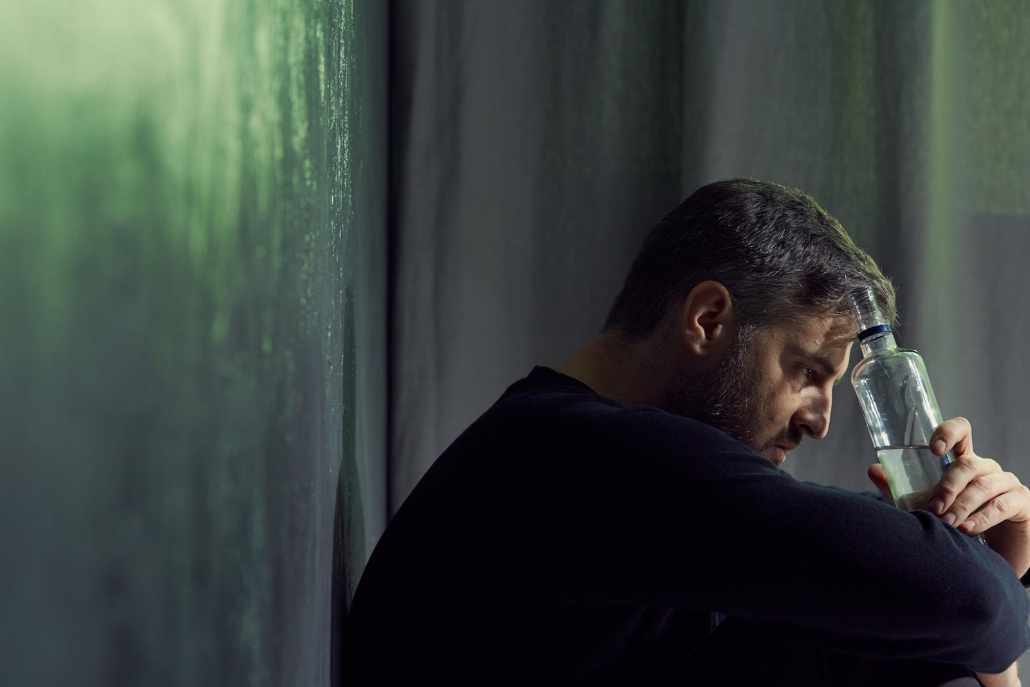
Table of Contents
Many people who reach out about their drinking don’t open with the drinking. They open with the mornings. Waking at 4 a.m. with a pounding heart. Replaying every conversation from the night before. A sense of dread with no clear cause that doesn’t lift until lunchtime, or until the next drink. Anxiety after drinking is one of the experiences people describe most often in a first conversation with an admissions team, and it is frequently what finally makes them pick up the phone.
This article covers what is happening in the body and brain, how to tell ordinary next-day anxiety apart from early alcohol withdrawal, and what to do about it. If you would rather talk it through now, call (877) 328-1968.
What the Morning After Actually Feels Like
People describe it in strikingly similar ways. A tight chest. A racing or fluttering heartbeat. Hands unsteady enough to make holding a coffee cup awkward. A low hum of fear, as though something bad has happened or is about to. Many people check their phone over and over, scanning texts and social media for evidence of something they said or did. Some feel jumpy at ordinary noises; others feel flat and close to tears at the same time.
Families notice it from the outside. A partner who is irritable and short every morning but relaxed by evening. Someone who keeps canceling weekend-morning plans, or who becomes visibly calmer after the first drink of the day. Those patterns matter, and we come back to them below.
Anxiety After Drinking: What the Research Says
Anxiety after drinking is a recognized hangover symptom, not a character flaw. The National Institute on Alcohol Abuse and Alcoholism lists anxiety alongside fatigue, headache, irritability, sweating, and increased blood pressure as typical hangover symptoms, and states that hangover symptoms peak when blood alcohol concentration returns to about zero and can last 24 hours or longer. In practice, that means the worst of the anxiety usually arrives the morning after drinking, once the alcohol has cleared, rather than while a person is still drinking, and it can persist into a second day.
Source: NIAAA, Hangovers fact sheet.
Why Alcohol Leaves You Anxious
Several things happen at once. None of them requires a diagnosis of alcohol use disorder, though most grow stronger with heavier and more frequent drinking.
- Nervous system rebound: Alcohol slows brain activity, and as it wears off the brain swings the other way, leaving a person more alert, restless, and on edge than before they drank.
- Fragmented sleep: According to NIAAA, people may fall asleep faster after drinking but sleep in fragments and wake earlier, and a short, broken night lowers the threshold for anxiety the next day.
- Dehydration and physical strain: Fluid loss, a faster heart rate, and an upset stomach produce body sensations that the brain can read as danger.
- Memory gaps: Not being sure what you said or did the night before creates specific, real worry that feeds the physical unease.
- Repeated cycles: With regular heavy drinking, the brain adapts to the constant presence of alcohol, so the rebound when it leaves grows sharper and begins to shade into withdrawal.
When It Stops Being a Hangover
This is the part that matters most clinically. For someone who drinks heavily most days, morning anxiety may be an early sign of alcohol withdrawal rather than a hangover. The clues tend to show up together:
- Shaking hands, especially first thing in the morning
- Sweating, nausea, or a racing pulse that starts within hours of the last drink
- Anxiety that reliably eases after a drink
- Needing a drink earlier in the day to feel normal
- Symptoms that appear even after a night of drinking less than usual
Safety note: Alcohol withdrawal can cause seizures and, in severe cases, delirium tremens, which can be life-threatening. If you drink heavily every day and notice these signs, do not stop suddenly on your own. Stopping safely requires medical supervision. Our page on alcohol withdrawal symptoms walks through the warning signs in more detail. If someone is having a seizure, is confused, or is seeing or hearing things that are not there, call 911.
A Two-Week Check You Can Start Today
Most people underestimate how closely their anxiety tracks their drinking, because the two are separated by a night’s sleep. A simple log closes that gap. For the next 14 days, write down three things each morning before you look at your phone:
- How many drinks you had the day before
- Your anxiety on waking, from 0 (none) to 10 (the worst you have felt)
- Whether you had a drink before noon, and whether it changed how you felt
Bring the log to your next appointment with a primary care doctor or therapist and ask one direct question: “Could my morning anxiety be withdrawal?” A written record gives a clinician something concrete to assess, and it usually leads to a far more useful conversation than “I’ve been feeling anxious lately.” If the answer to the third item keeps coming up yes, treat it as a warning sign and speak with a medical professional before you cut back.
What Shows Up in Treatment Conversations
One inconvenient truth from intervention and treatment-consulting work: many people have been treated for anxiety, sometimes for years, before anyone asks in detail how much they drink. The anxiety is real, and for many people an anxiety disorder is real too. But when drinking is driving the morning symptoms, anxiety treatment on its own rarely holds, because each night of drinking resets the cycle.
The reverse happens as well. People who stop drinking without any support for an underlying anxiety disorder often find the anxiety still present weeks later, and that stretch is a common point of return to drinking. The National Institute of Mental Health’s overview of anxiety disorders describes the main types and the treatments with evidence behind them. Treating both conditions together is what our mental health treatment is built for, alongside residential treatment for people who need a medically supported start.
When you speak with any treatment provider, it helps to say plainly: how much you drink on a typical day, when your last drink was, whether you have ever had shaking or a seizure when stopping, and whether you take any anxiety or sleep medication. Those four answers shape whether a safe first step is outpatient care or a medically supervised setting.
What Helps in the Moment
For an occasional bout of next-day anxiety in someone who does not drink daily:
- Name it. Telling yourself “this is the rebound; it peaks today and fades” takes some of the fear out of the physical sensations.
- Drink water, eat something, and avoid stacking extra caffeine on top of a racing heart.
- Don’t drink to make it go away. A morning drink postpones the rebound and teaches the brain that alcohol is the fix for anxiety that alcohol caused.
- Slow your breathing for a few minutes, making each exhale longer than the inhale.
If the anxiety comes with shaking, sweating, or confusion, or if you drink every day, skip self-management and contact a medical provider.
When to Reach Out
If morning anxiety has become a regular part of your week, that is reason enough to talk with someone. You do not need to be certain you have a drinking problem first. Call (877) 328-1968 to speak with our team in Northern California. For free, confidential treatment referrals around the clock, SAMHSA’s National Helpline is available at 1-800-662-4357. If you are having thoughts of harming yourself, call or text 988.
This article is for educational purposes only and is not a substitute for professional medical advice, diagnosis, or treatment. Alcohol withdrawal can be dangerous. Always consult a qualified healthcare provider before changing your drinking or any medication. In an emergency, call 911.


